
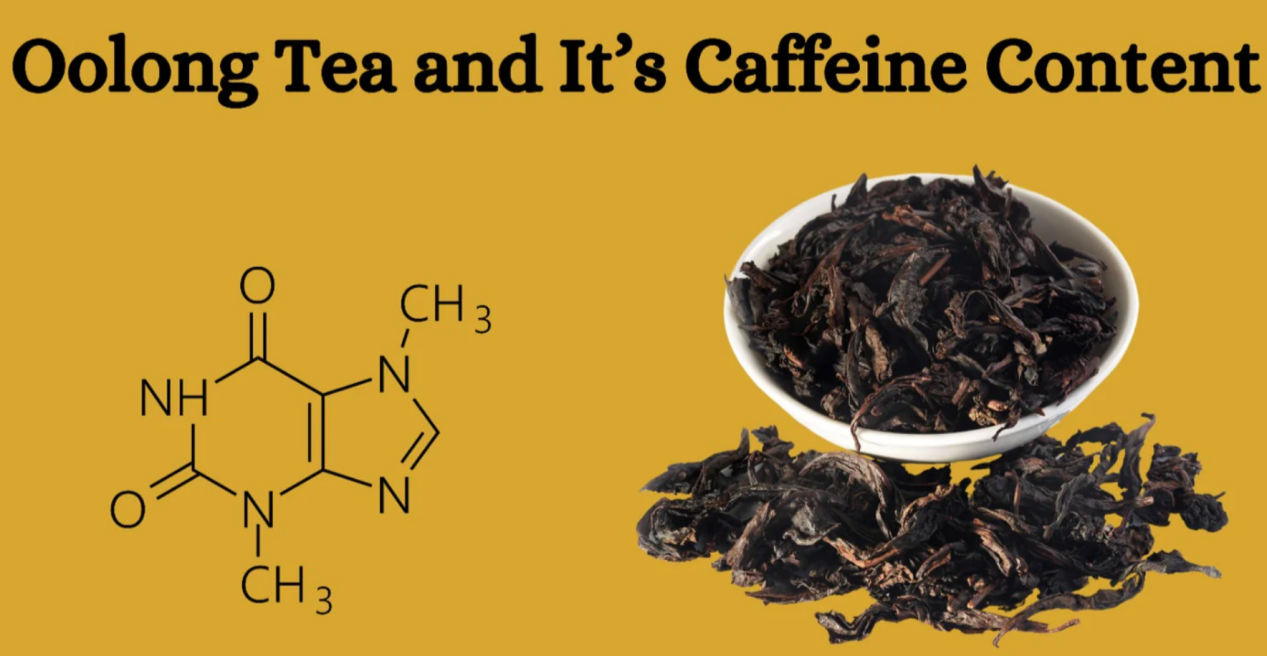
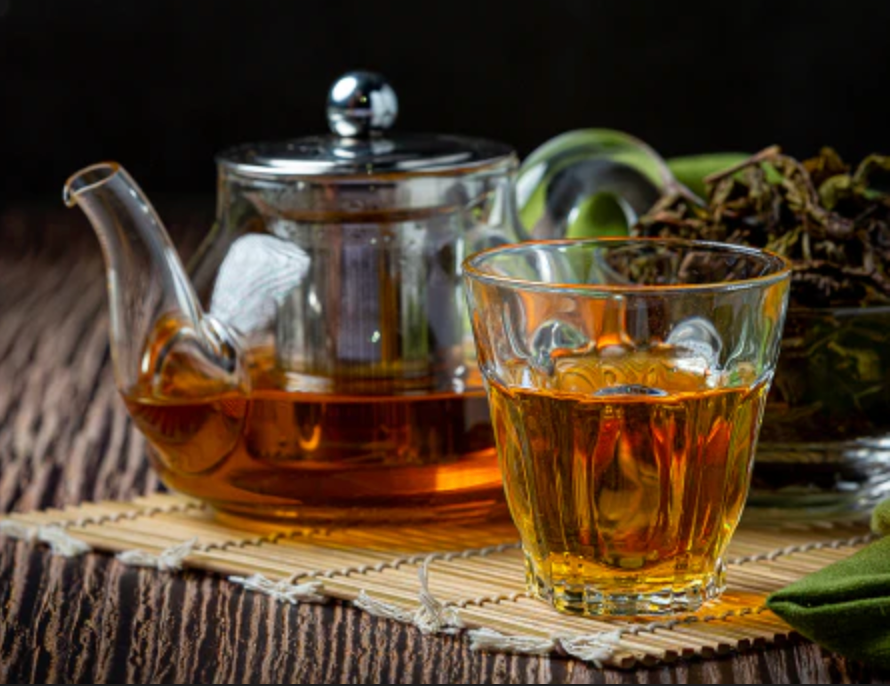

Indian oolong tea


Product Description

Dear customer, as an Indian tea seller, I am delighted to introduce you to our oolong teas.
Indian oolong tea is a rare and exquisite variety, produced in very limited quantities compared to our famous black and green teas. The main production region is Darjeeling, where tea estates have mastered the art of semi-oxidation to create truly special teas.
What makes Indian oolong tea special?
Oolong tea (also spelled wulong) is semi-oxidized, meaning it falls between green tea (minimal oxidation) and black tea (full oxidation). The oxidation level is carefully controlled by skilled tea makers to achieve the desired flavor profile—typically ranging from 20% to 80% oxidation. This precise processing creates an incredibly diverse flavor spectrum: lighter oolongs are floral and fruity, while more oxidized styles develop honeyed, creamy, toasty, or nutty notes.
Production process:
The unique processing involves careful withering, partial oxidation, rolling or bruising, and final firing. For delicate styles like Darjeeling Spring Baozhong, the leaves are withered in the sun, then given a gentle sideways rolling by hand, with minimal oxidation to preserve fresh green character. For darker styles, higher oxidation and roasting create deeper, more complex flavors.
Main types of Indian oolong:
TypeOriginFlavor ProfileDarjeeling Summer OolongGopaldhara (5500-7000 FT)Smooth, minimal astringency, rich in antioxidantsDarjeeling Spring BaozhongGopaldhara (AV2 clone)Light-bodied, vanilla and herbaceous notes, hints of olive and apricotSelimbong Summer OolongSelimbong GardenChestnut and red fruit flavors, sweet and velvetySingbulli OolongSingbulli EstateMuscat grape and apricot aroma, tangy dried fruit, deep floral notes
Flavor profile:
Health benefits:
Brewing suggestions: